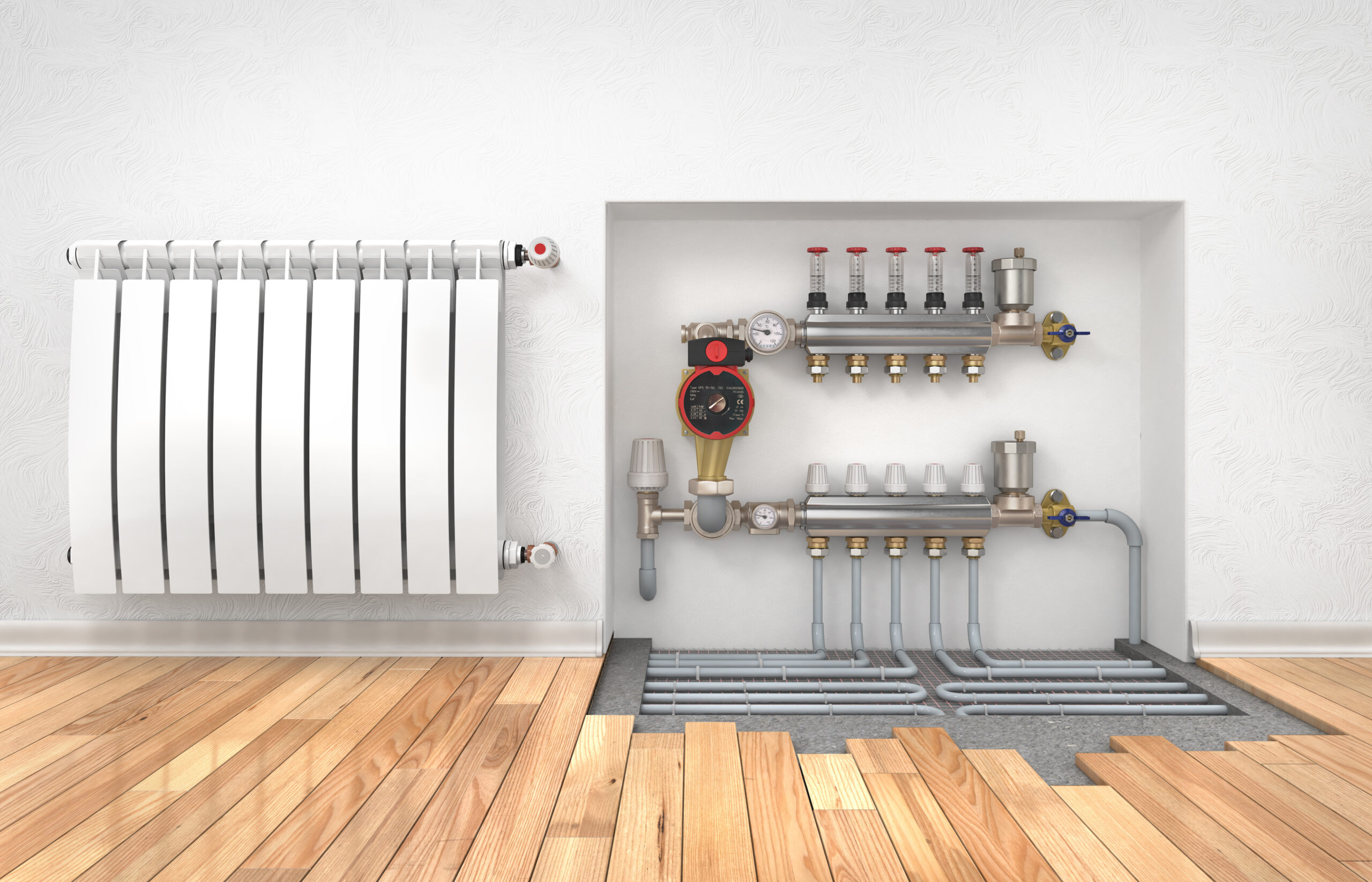
This guide will help you understand the key factors to consider when deciding between electric and water underfloor heating systems for your UK home. You’ll explore the benefits and drawbacks of each option, helping you make an informed choice that aligns with your heating needs, budget, and property type. By evaluating your priorities, you can select a system that offers comfort and efficiency throughout your living space.
How to Choose Between Electric and Water Underfloor Heating for Uk Homes
Heating your home efficiently is vital, and choosing the right underfloor heating system can make a significant difference in comfort and energy costs. You have two main options: electric and water underfloor heating. Understanding the benefits and limitations of each system will help you make an informed decision that suits your lifestyle and budget. This guide will break down key factors to consider, ensuring you select the best solution for your home.
Weighing the Costs: Electric vs. Water Systems
Understanding the costs associated with electric and water underfloor heating is vital for making an informed decision. You’ll find that installation expenses and long-term energy efficiency play pivotal roles in determining the overall value of each system. Analyzing both aspects will help you gauge which option best aligns with your budget and energy requirements.
Initial Installation Expenses
Electric underfloor heating systems generally have lower installation costs compared to water systems. You can expect to pay around £50 to £70 per square meter for electric, while water systems can range from £100 to £150 per square meter due to the complexity of installing pipes and a boiler. This initial price difference is significant, especially if you’re working with a tight budget.
Long-term Energy Efficiency
Energy efficiency affects your long-term costs. Electric systems tend to be more effective for smaller spaces or homes with better insulation, but they can also be more expensive to run. Water systems, while pricier to install, usually offer better efficiency for larger areas and can work well with renewable energy sources, potentially lowering your energy bills over time.
For instance, water underfloor heating operates at lower temperatures, utilizing a boiler or heat pump effectively, which can lead to significant savings on energy consumption. Studies show that water systems can be up to 20% more energy-efficient than electric alternatives, especially when paired with a condensing boiler or a heat pump. This efficiency translates to lower monthly energy bills, making water systems a potentially smarter long-term investment despite higher initial setup costs. If you plan to stay in your home for several years, the cumulative savings from energy-efficient water heating could outweigh the higher installation expenses, making it a compelling choice for many homeowners.
Unpacking the Pros and Cons of Electric Underfloor Heating
Pros and Cons
| Pros | Cons |
| Quick installation process | Higher running costs compared to water systems |
| Ideal for retrofitting | Can be less effective in large areas |
| No need for a boiler | Potential for uneven heat distribution |
| Lower initial costs | Limited temperature control |
| Suitable for all floor types | May require a higher electrical capacity |
Cost Efficiency and Installation Insights
Electric underfloor heating systems typically feature lower upfront costs and a simpler installation process, making them appealing for homeowners looking to enhance comfort without significant renovations. As a retrofit option, these systems can often be installed directly under existing flooring, which minimizes disruption. However, it’s vital to factor in ongoing energy costs that could accumulate over time, especially if the system is heavily used.
Energy Consumption and Environmental Impact
Electric underfloor heating tends to have a higher energy consumption compared to water systems, particularly in larger spaces. While they provide instantaneous heat, the reliance on electricity can lead to increased carbon footprints, especially in areas where energy comes from non-renewable sources. It’s beneficial to consider your local energy sources when evaluating the environmental impact of the system.
Statistics indicate that electric underfloor heating can use up to 25% more energy than water systems due to differences in heat retention and distribution efficiency. In regions where electricity is sourced from coal or gas, the environmental costs can be significant. Transitioning to renewable energy sources, such as solar or wind power, can mitigate some of these impacts, allowing for a more sustainable heating option. Implementing smart thermostats can also optimize energy consumption, reducing waste and enhancing efficiency in electric systems.
Space Considerations: Finding the Right Fit
Evaluating your space effectively is key to selecting the right underfloor heating system for your home. Consider not only the dimensions of the area but also how much floor height you can afford to lose. Each system has specific requirements that can affect installation, particularly in smaller or older properties where height may be a limiting factor.
Floor Thickness and Height Constraints
Electric systems typically require less height than water-based systems, which can be a decisive factor if room height is limited. Electric mats or cables can be placed directly beneath existing flooring, whereas water systems often need additional layers for insulation and pipe routing. This difference can impact room aesthetics and overall ceiling heights.
Compatibility with Flooring Materials
Your choice of flooring can significantly influence the performance of underfloor heating. Electric systems work well with various materials, including tile, laminate, and engineered wood. Water systems may require specific types of flooring that can withstand higher temperatures and ensure efficient heat transfer.
Tile and stone are popular choices for electric systems due to their excellent heat conductivity, while laminate flooring can be less effective in transferring heat from a water-based system if not designed for such applications. Engineered wood can work with both systems, but ensure it has the right specifications to avoid warping. Always consult with flooring suppliers to confirm compatibility to maximize the efficiency of your underfloor heating choice.
Water Underfloor Heating: The Unsung Champion
Water underfloor heating systems silently excel in delivering energy-efficient warmth, making them an outstanding choice for many UK homes. They circulate warm water through pipes embedded in floors, providing a consistent and comfortable heat across various room sizes. This type of heating not only warms the floors but also uniformly heats the space, significantly enhancing comfort levels compared to traditional radiators.
Long-term Savings and System Lifespan
Investing in water underfloor heating can result in notable long-term savings. While installation costs may be higher than electric systems, the lower running costs due to increased energy efficiency often lead to significant savings over time. With an average lifespan of 30-50 years, water systems typically require less frequent maintenance, making them a cost-effective choice in the long run.
Performance in Diverse Weather Conditions
Water underfloor heating systems efficiently maintain comfort even during harsh winter conditions. Unlike electric systems that can struggle with extreme drops in temperature, water systems utilize a reservoir of heated water that can effectively counteract the cold. This ability to provide consistent heat ensures that you remain warm and cozy throughout the coldest days of the year.
In colder months, water underfloor heating demonstrates its superiority by gradually ramping up the heat and maintaining an even temperature across the floor surface. For areas with fluctuating temperatures, this system’s responsiveness is particularly beneficial; it can adapt quickly to changes in outside conditions, ensuring your home remains inviting. Additionally, water systems can leverage heat pumps or solar heating, enhancing efficiency even further in varying climates. This capability ensures you receive reliable warmth regardless of whether a sudden frost or a milder day occurs, showcasing the versatility of water underfloor heating systems in diverse weather conditions.
The Energy Debate: Which System Works Best for Your Home?
Deciding between electric and water underfloor heating often hinges on energy efficiency and suitability for your specific circumstances. Electric systems provide quick heat and are ideal for smaller spaces, while water systems offer longer-lasting warmth and are more efficient in larger areas. Consider factors like your home’s insulation, the energy source available, and your heating needs to determine the best fit for you.
Renewable Energy and Sustainability
Water underfloor heating is often more compatible with renewable energy sources, such as heat pumps and solar thermal systems. This compatibility not only reduces your home’s carbon footprint but can also lower your energy bills over time. Utilizing these systems enhances energy efficiency, promoting sustainability in your heating approach.
Running Costs and Maintenance
When evaluating running costs and maintenance, electric underfloor heating typically has lower installation costs but can lead to higher electricity bills in the long run. In contrast, water underfloor heating may require a more significant upfront investment, but it usually results in lower operating costs due to better efficiency. Maintenance for water systems can involve occasional checks on the boiler and pipework, while electric systems generally require less frequent upkeep, making them simpler to manage.
For example, a water underfloor heating system can reduce energy costs by approximately 15-30%, especially when running off a renewable energy system, contrasting with electric systems that have higher hourly running costs. Regular maintenance for water systems may involve checking for leaks and ensuring the water pressure is adequate, while electric systems only require inspections of wiring, leading to differing long-term management requirements. Ultimately, your choice may depend on the balance between upfront investment and long-term expenses.
Space Considerations: Which System Fits Your Home?
Your home’s layout and available space will significantly influence your choice between electric and water underfloor heating systems. Electric systems are generally more flexible as they can easily fit into various floor types and require less depth, making them ideal for renovation projects in smaller rooms. Water systems, while often more efficient, typically require more space for pipes and a manifold, which could be limiting in compact areas. Assessing your floor height and layout is necessary for determining which heating method will integrate seamlessly into your living space.
Design Flexibility and Aesthetics
Both electric and water underfloor heating systems offer design flexibility, but they cater to different aesthetic needs. Electric systems can be thinner and laid directly under your floor covering, allowing you to maintain ceiling heights while maximizing design choices. Water systems may necessitate thicker floors, which could impact room aesthetics. Your desired finish and style will determine how well each system meets your visual and functional requirements.
Space Requirements and Installation Challenges
Space requirements and installation challenges vary between electric and water underfloor heating. Electric systems typically require less floor height and can be installed as a retrofit over existing flooring, simplifying their implementation. In contrast, water systems demand more preparation, including insulation layers and floor modifications, often making installation more complex and time-consuming. This can lead to higher labor costs, so evaluating your existing flooring and layout can inform your decision and mitigate any potential obstacles.
Considering the installation process for each system is vital. Electric systems can often be installed in a day, making them a practical choice for homeowners seeking a quick solution. Water systems, however, might take several days or even weeks, particularly if structural adjustments are necessary. The extent of your renovation work, any required floor strengthening, and existing plumbing setups all contribute to the overall complexity and duration of installation, which should be factored into your decision-making process.
Comfort Levels: Heat Distribution and User Experience
Underfloor heating systems excel in delivering consistent and comfortable warmth throughout your space. Electric systems heat up quickly, providing immediate warmth underfoot, while water systems typically offer a slower, more gradual heat that radiates evenly. This creates a cozy ambiance, especially beneficial in cold months, ensuring your entire floor surface maintains a comfortable temperature, enhancing overall user experience.
Temperature Control and Response Time
| Electric Systems | Heat up quickly; ideal for spaces requiring immediate warmth. |
| Water Systems | Longer response times; slower but provide sustained, even heating. |
Noise Levels and Aesthetic Impact
Electric systems generally operate silently, enhancing the quiet environment of your home. Water systems may produce sound during operation due to the movement of water within pipes, potentially leading to noticeable noises. Aesthetically, underfloor heating eliminates the need for visible radiators, maximizing wall space and maintaining clean lines in interior design.
For those prioritizing tranquility, electric systems are an excellent choice, producing no disruptive sounds. Conversely, water systems, depending on the installation and type of flooring, can emit occasional creaks or groans as the materials expand with heat. Both systems offer an unobtrusive design, allowing for seamless integration into various decor styles, thus enhancing the overall aesthetics of your home while ensuring comfort without clutter.
Calculating Heating Needs: Tailoring to Your Space
Determining the right heating system requires careful calculation of your home’s specific needs. Start by evaluating the total area to be heated and consider the type of insulation in your property, which significantly influences heat retention. The more accurately you calculate these parameters, the better you can select a system that ensures comfort and efficiency throughout your space.
Assessing Room Size and Insulation Levels
Begin by measuring each room to establish its square footage. Effective insulation plays a pivotal role; poorly insulated spaces may need more heating power. Use thermal imaging or consult a professional to assess your insulation’s performance. This foundational understanding allows you to estimate the required heat output for optimum warmth.
Selecting the Right System Based on Home Layout
The layout of your home directly impacts your choice of underfloor heating system. Open-plan designs may benefit from electric systems for their quicker response times, while larger, more segmented spaces could suit the gradual heat diffusion of water-based systems. Additionally, consider the placement of furniture and fixtures to ensure that heat is distributed evenly throughout your living areas.
An example of tailoring your system based on layout involves understanding heat flow. For example, in homes with a split-level design, electric underfloor heating can provide rapid heating in spaces where you spend the most time, like living rooms and kitchens, while water heating can be more beneficial in larger areas that require consistent, long-term heating, like hallways. You should also observe natural sunlight exposure; rooms with abundant sunlight may need less heating capacity. Thus, accounting for these factors ensures energy efficiency while maintaining comfort throughout your home.
Making the Final Decision: Aligning Heating Choice with Lifestyle
Your ultimate choice between electric and water underfloor heating should reflect your daily habits, budget, and long-term plans. Take into account how often you use your spaces and the amount of time you spend at home. For instance, if you frequently entertain or enjoy cozy nights in, energy efficiency might be a priority to keep costs down. Conversely, if you are often away, a rapid heating solution may align better with your lifestyle preferences.
Assessing Your Home’s Unique Characteristics
The architecture, insulation, and flooring of your home significantly influence your heating choice. Older buildings may benefit from the slow heat retention of water systems, while new constructions with superior insulation work well with electric underfloor heating. Evaluate your existing setup and consider whether retrofitting water systems poses logistical challenges or if an electric solution is more suitable for the layout of your rooms.
Aligning Heating Needs with Personal Preferences
Your personal preferences play a vital role in deciding between electric and water underfloor heating. If instant heat and quick response times are vital, electric systems provide nearly immediate warmth. However, if you value long-lasting, gently radiated heat that maintains comfort evenly over time, water heating might be your best fit. Lifestyle habits, such as how you use your spaces and when you typically heat your home, further influence this decision.
Consider how you interact with your living environment. If you enjoy a cozy atmosphere upon entering your home after a long day, electric underfloor heating might satisfy your immediate comfort needs, allowing you to heat rooms selectively and quickly. On the other hand, if you prefer a stable, sustained warmth and tend to keep your living areas hot throughout the day, water underfloor heating offers an energy-efficient solution that balances comfort with lower long-term operating costs. Tailoring the heating system to both your daily routine and comfort preferences will ensure your choice enhances your overall living experience.
Regulations and Incentives: What Homeowners Should Know
Understanding the regulations and available incentives can significantly impact your decision between electric and water underfloor heating. In the UK, compliance with building codes ensures safety and efficiency, while various government incentives can offset installation costs. Familiarizing yourself with these elements will enhance your heating investment.
Navigating Building Codes and Standards
Your installation must adhere to UK building regulations, which govern energy efficiency and safety standards. Familiarizing yourself with documents like the Building Regulations Approved Document L will help you assess eligibility for your project. Ensure that any heating system installed meets energy efficiency requirements to avoid potential future liabilities.
Exploring Grants and Financial Support in the UK
The UK government offers several financial incentives for homeowners to adopt energy-efficient heating solutions. Grants and schemes, such as the Energy Company Obligation (ECO), can reduce your upfront costs. These programs focus on improving energy efficiency and lowering carbon emissions.
With the Energy Company Obligation, eligible homeowners can receive funding for energy-saving measures, which can include underfloor heating systems. Additionally, the Renewable Heat Incentive (RHI) supports those installing renewable heating technologies, allowing for regular payments based on your energy production. The exact benefits will depend on individual circumstances, so exploring all available options can yield significant savings on installation costs and long-term energy bills.
Final Words
From above, you can see that choosing between electric and water underfloor heating for your UK home depends on your specific needs, space, and budget. Electric systems are often easier to install and suited for smaller areas, while water systems can be more efficient for larger spaces and higher heating demands. Consider factors such as installation costs, energy efficiency, and the longevity of systems when making your decision. By assessing your requirements and preferences, you will be able to select the best solution to create a comfortable living environment in your home.
So, when choosing between electric and water underfloor heating for your UK home, consider your specific needs, property size, and installation costs. Electric systems are often simpler and cheaper to install, making them suitable for smaller areas or renovations. In contrast, water systems may provide more efficient heating for larger spaces over time but require higher installation investment. Evaluate your existing infrastructure, preferences for control, and long-term energy costs to make the best decision for your home’s comfort and efficiency.
Keep an eye for more latest news & updates on Sky Light Voice!